Puyang, Henan Province, China
🇨🇳 Puyang is a prefecture-level city in north-eastern Henan province, People's Republic of China. Located on the northern shore of the Yellow River, it borders Anyang in the west, Xinxiang in the south-west, and the provinces of Shandong and Hebei in the east and north respectively.
Its built-up (or metro) area made of Hualong district, Puyang County and Qingfeng County largely being conurbated.
Administration The prefecture-level city of Puyang administers 1 district and 5 counties. • Hualong District (华龙区) • Puyang County (濮阳县) • Qingfeng County (清丰县) • Nanle County (南乐县) • Fan County (范县) • Taiqian County (台前县).
Tourist Industry Until the end of 2012, Puyang has 4 national cultural relics protection units: Qicheng Relics, Tangwu Gong Tablet, the former sites of the revolutionary armies which is including Yancunpu revolutionary site and Shanguai former revolutionary base; 25 provincial cultural relics protection units: Xishuiipo Relics, Huiluan Tablet, the memorial site of the revolutionary armies crossing the river, Chengzhuang site, Tieqiu site, Mazhuang site, Xiancheng Relics, Sipai Pavilion (including the nearby folk houses), the tombstone of Wei's family, Puyang Christ church (including the former site of Huamei school), the Martyrs' Cemetery of Weihe county, the former headquarters of PLA, Balimiao Yellow River –controlling memorial (including the iron beast), Nanle Confucius temple, Kuaikui platform site, Cangjie mausoleum site, Danzhu Tomb, zilu Mausoleum, the headquarters site of the field army, the Puzhao Temple, Gaocheng Relics, Xiaqiu site, the anti-Japanese martyrs' shrine in Qingfeng county, the former administration site of Zhinan CPC, Puyang Catholic church. The key cultural relics protection units of city and county level have 201 sites.
The main tourist attractions in the city area are Zhongyuan Green Manor, Qicheng Relics, Pushang Park, Cangjie Tomb, Zhanghui Mausoleum, Emperor Shun's Palace, Huiluan Tablet, Imperial Well, Sipai Pavilion, the four street of Ming & Qing dynasties, the hometown of Emperor Shun, Yancunpu revolutionary site, Shanguai former revolutionary base, the museum of the Liu-Deng Army crossing Yellow River, Puyang Science and Technology Museum etc. In 1994, the line of Confucius traveling around the world 2500 years ago had been approved by China National Tourism Administration and State Administration of Cultural Heritage as the first Chinese tourism special line of cultural relics and historic sites, including Puyang Qicheng Relics, Zilu Tomb, Huiluan Tablet etc. After 1999, Puyang opened up another five special tourism lines. In 2005, puyang one-day red tour, two-day tour had been launched and the PLA sites tour containing Shanguai, Sunkou had been recommended by Henan Tourism Administration as a provincial red tourism line. After 2006, relying on the abundant history and culture resources and its morden city landscape, Puyang developed its tourism deeply and greatly. Till now, Puyang has successfully developed and created a series of tourist brands: the city scenery tour represented by the city squares, gardens and parks, and the water system; the ecological environment tour represented by Zhongyuan Green Manor and Pushang Park; the historical and cultural tour by Qicheng Relics and Cangjie Tomb; the Yellow River scenery tour by Maolou Ecological Tourism Zone; the surname & root seeking tour by Zhanghui Mausoleum and Emperor Shun's Palace; the leisure acrobatics tour by Dongbei village's original acrobatics and modern "Water show" acrobatics; the scientific knowledge tour by Puyang Science and Technology Museum, the efficient agriculture tour by Shijin Park; the classical red tour by Shanguai former revolutionary base and the museum of the Liu-Deng Army crossing the Yellow River; and the modern industry tour by Zhongyuan Oilfield, Zhongyuan Ethylene Plant and Zhongyuan Dahua Group Ltd. etc.
Natural resources Puyang is a petrol-chemical city. The major mineral resources include petroleum, natural gas, coal, etc. especially rich reserve of high-quality petroleum and natural gas. As an important national petrol-chemical energy base, large-sized enterprises such as Zhongyuan Oilfield, China Petroleum & Chemical Corporation, Zhongyuan Dahua Group and so on have been established there. The petrol-chemical industry has become the support of Puyang's economy.
Puyang, Henan
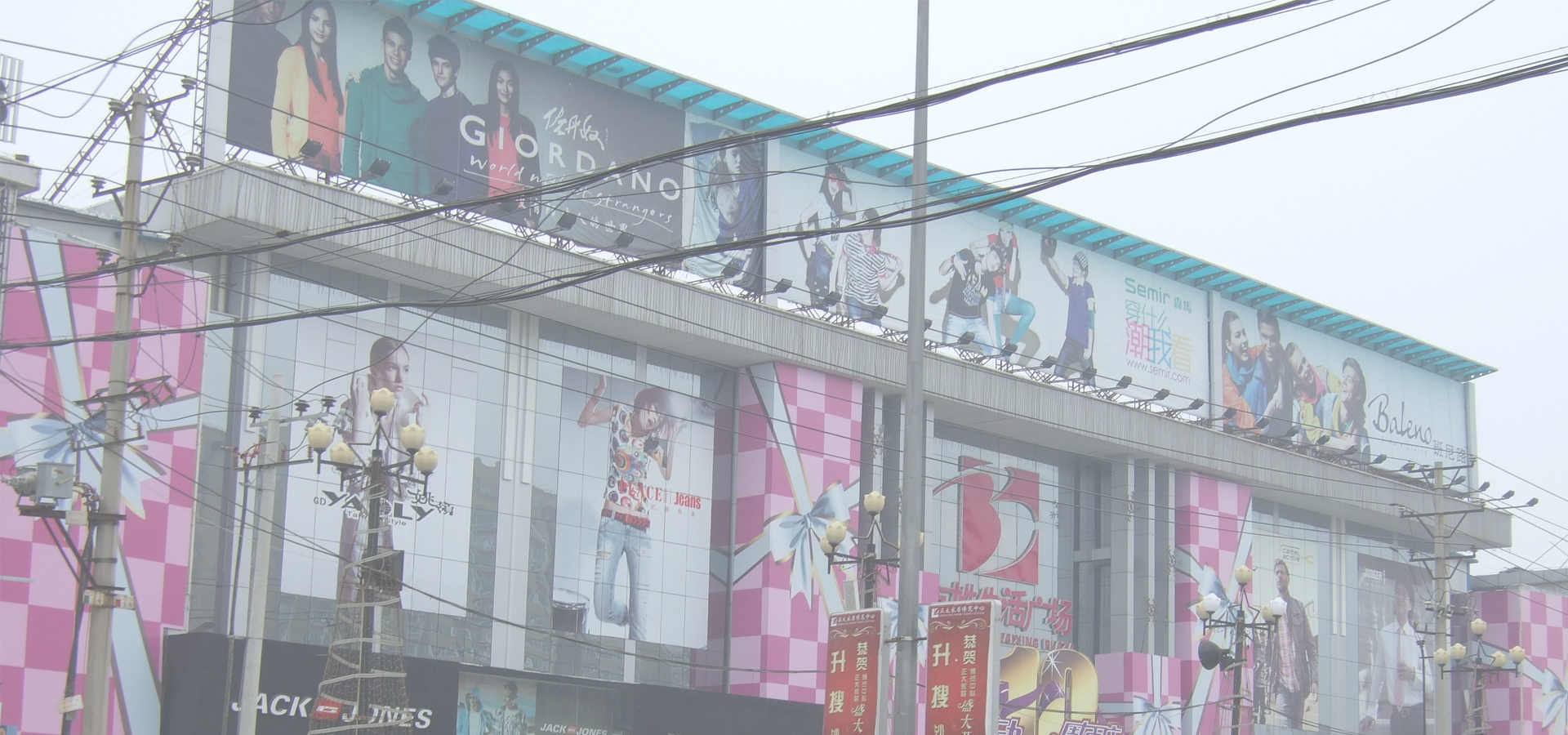

Puyang has a population of over 2,524,658 people. Puyang also forms the centre of the wider Puyang Prefecture which has a population of over 3,772,088 people.
To set up a UBI Lab for Puyang see: https://www.ubilabnetwork.org Twitter: https://twitter.com/UBILabNetwork
Twin Towns - Sister Cities Puyang has links with:
🇵🇰 Gwadar, Pakistan 🇲🇾 Sibu, Malaysia🇯🇵 Sakuragawa 35.767
🇺🇸 Spring Hill 35.752
🇯🇵 Higashimurayama 35.75
🇨🇳 Xiajiang County 115.183
🇮🇩 Tegallalang 115.276
🇨🇳 Puyang Chengguanzhen 115.005
🇧🇳 Bandar Seri Begawan 114.928
🇨🇳 Zhangjiakou 114.886
🇲🇳 Choibalsan 114.879
Locations Near: Puyang 115.029,35.7627
🇨🇳 Puyang Chengguanzhen 115.005,35.703 d: 7
🇨🇳 Neihuang 114.9,35.967 d: 25.5
🇨🇳 Anyang 114.392,36.099 d: 68.5
🇰🇷 Anyang 114.336,36.09 d: 72.3
🇨🇳 Handan 114.467,36.602 d: 106
🇨🇳 Liaocheng 115.985,36.456 d: 115.4
🇨🇳 Xinxiang 113.927,35.304 d: 112
Antipodal to: Puyang -64.971,-35.763
🇦🇷 Parera -64.502,-35.147 d: 19934.5
🇦🇷 Santa Rosa -64.283,-36.617 d: 19901.8
🇦🇷 Río Cuarto -64.35,-33.133 d: 19717.2
🇦🇷 San Luis -66.333,-33.3 d: 19714.2
🇦🇷 San Rafael -68.333,-34.6 d: 19683.3
🇦🇷 Villa María -63.267,-32.583 d: 19628.4
🇦🇷 Maria Teresa -61.967,-33.75 d: 19661
🇦🇷 Venado Tuerto -61.967,-33.75 d: 19661
🇦🇷 Bell Ville -62.683,-32.633 d: 19608.5